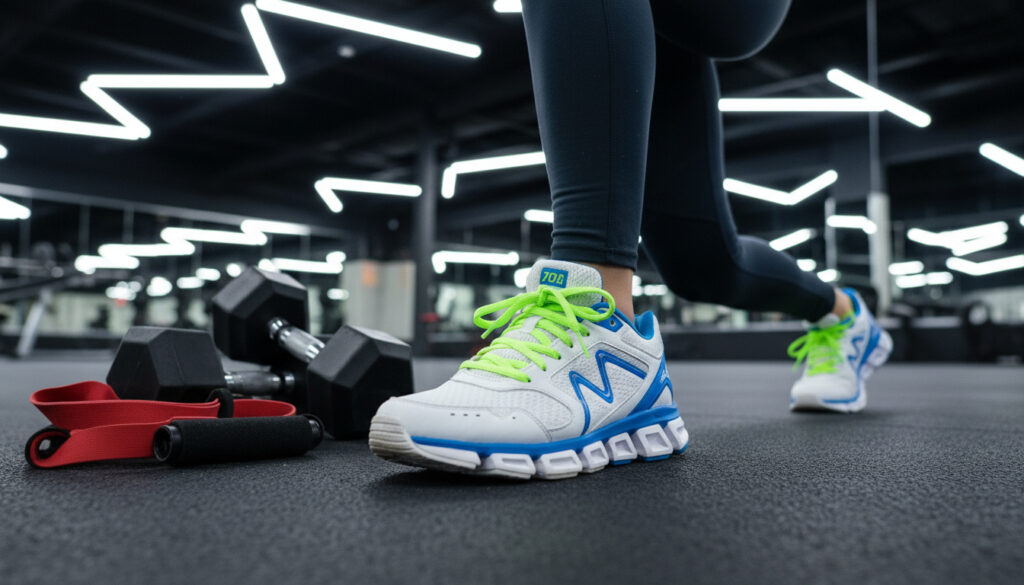
What Is a Lunge Exercise – Muscles Worked, Proper Form and Benefits
The lunge stands as one of the most fundamental compound movements in strength training, requiring no equipment yet delivering comprehensive lower-body conditioning. This unilateral exercise mimics natural athletic movements like running and jumping while isolating each leg to prevent compensation patterns common in bilateral exercises.
Unlike isolation movements that target single muscles, lunges engage multiple major muscle groups simultaneously, from the glutes and quadriceps to the deep core stabilizers. Whether performed with bodyweight alone or loaded with dumbbells and barbells, the movement adapts to fitness levels ranging from rehabilitation patients to elite athletes seeking enhanced sprinting mechanics.
What Muscles Does a Lunge Exercise Work?
Lunges primarily target the large lower-body muscles while simultaneously engaging stabilizer and core muscles, making them highly efficient for strength building according to movement science research. The specific muscles emphasized vary based on lunge variation and form adjustments, with forward pitch increasing glute and hamstring activation.
The most common style that strengthens quadriceps, hamstrings, gluteal muscles, erector spinae, and adductors through a stationary stepping motion.
Effective for stretching hip flexors while reducing forward knee stress, making it suitable for those with anterior knee discomfort.
A dynamic variation that continuously stretches and activates hip flexors while challenging balance through locomotion.
A variation performed by stepping laterally behind the front leg, engaging adductors and glutes with unique mechanical demands.
Key Physiological Insights
- Unilateral Strength Development: Forces each leg to work independently, preventing dominant-side compensation.
- Gluteal Activation: Forward torso pitch increases tension in the gluteus maximus and hamstrings.
- Core Stabilization: Erector spinae and abdominal muscles fire continuously to maintain upright posture.
- Hip Flexor Lengthening: The rear leg position stretches the psoas and iliacus muscles compromised by prolonged sitting.
- Adductor Engagement: Inner thigh muscles activate to control frontal plane stability.
- Metabolic Demand: Compound nature elevates heart rate more than isolation movements.
- Proprioceptive Challenge: Single-leg stance enhances neuromuscular coordination and balance.
Exercise Parameters
| Muscles Targeted | Glutes, Quadriceps, Hamstrings, Calves, Core, Hip Flexors, Adductors, Erector Spinae |
| Movement Pattern | Unilateral Lower Body Compound |
| Equipment Required | None (Bodyweight); Optional Dumbbells, Barbells, or Resistance Bands |
| Difficulty Progression | Beginner to Advanced |
| Primary Energy System | Anaerobic with Aerobic Component |
| Rehabilitation Applications | Lower Limb Strength, ACL Injury Prevention, Osteoarthritis Support |
| Performance Carryover | Sprinting Speed, Jumping Power, Change-of-Direction Ability |
| Joint Stress Level | Moderate (Form Dependent) |
How to Do a Lunge Exercise Correctly
Proper execution requires maintaining spinal alignment while controlling the descent phase. Dr. Peck from Cleveland Clinic emphasizes that correct technique produces stress in the target muscles without joint pain, though you may experience muscular discomfort alongside the spine as the erector spinae work to stabilize the torso according to clinical movement specialists.
Fundamental Execution Protocol
Begin standing with feet hip-width apart and shoulders aligned directly over the hips. Step forward with one foot, lowering the hips until both knees form approximately 90-degree angles. The rear knee should approach but not necessarily touch the floor, while the front knee tracks over the midfoot without extending past the toes excessively.
Drive through the front heel to return to the starting position, fully extending the hip and knee. Throughout the movement, prevent the non-working leg from “caving in” by pushing the working knee outward, which engages stabilizer muscles and prevents valgus collapse.
Keep your shoulders aligned over your hips throughout the entire movement to maximize core engagement. If the torso leans excessively forward or backward, spinal shear forces increase while target muscle activation decreases.
Knee Safety and Load Management
Control the knee trajectory to prevent inward collapse, instead pushing the working knee slightly outward to maintain neutral tracking. This positioning protects the anterior cruciate ligament and medial collateral ligament while ensuring equal distribution of force through the lower extremity.
What Are the Key Benefits of Lunge Exercises?
Research demonstrates that compound exercises like lunges increase muscle strength and aerobic fitness more effectively than isolation movements according to comparative exercise studies. The unilateral nature creates unique physiological adaptations distinct from bilateral squats or leg presses.
Strength and Hypertrophy
By engaging multiple muscle groups and joints simultaneously, lunges provide efficient stimulus for lower-body development. The National Strength and Conditioning Association identifies lunges as particularly valuable in rehabilitation settings for improving lower limb strength and function, with documented improvements in running speed among athletic populations according to peer-reviewed research.
Balance and Proprioception
Single-leg stance forces engagement of hip flexors and abdominal stabilizers to maintain equilibrium. A strong core improves lower-limb function and balance, reducing fall risk and enhancing coordination for complex athletic movements.
Hip Mobility and Flexibility
Prolonged sitting tightens hip flexor muscles over time, creating anterior pelvic tilt and potential lower back dysfunction. Lunges combat this through extended range of motion, specifically stretching the psoas muscle and increasing hip flexibility, which can reduce compensatory back pain movement specialists report.
Metabolic Impact and Body Composition
Targeting large lower-body muscle groups builds lean tissue and elevates resting metabolic rate. For maximum calorie expenditure, incorporate lunges into high-intensity circuit training with progressive loading according to fitness research.
Athletic Performance and Rehabilitation
Building strength in muscles used for locomotion improves overall athletic performance across running, jumping, and high-intensity exercise. For populations with osteoarthritis, lunges help leg muscles better support knee joints, while gluteal strengthening stabilizes hips for those with pelvic dysfunction clinical rehabilitation data indicates.
Common Lunge Mistakes and How to Avoid Them
While specific quantitative data on error rates remains limited in current literature, movement professionals consistently identify knee valgus and spinal misalignment as primary technical failures. These errors compromise both safety and effectiveness.
Knee Valgus and Collapse
Allowing the front knee to cave inward toward the midline increases tibial torque and ACL strain. Prevent this by consciously pushing the knee outward during the descent and holding that position throughout the eccentric phase. This controlled positioning activates the gluteus medius and prevents muscular imbalances.
Spinal Positioning Errors
Excessive forward lean or lumbar extension shifts load from the lower body to the vertebral column. You should not experience pain in the middle of the back during execution; discomfort should remain limited to the working muscles and potentially the erector spinae alongside the spine as they maintain posture.
Joint pain indicates technical failure or inappropriate loading, while muscular burning represents desired stimulus. If sharp pain occurs in the knee, hip, or lumbar spine, terminate the set and reassess form or load.
Asymmetric Volume
Failing to perform equal repetitions and sets on both legs perpetuates rather than corrects muscle imbalances. Track volume meticulously to ensure symmetrical development, particularly when addressing rehabilitation or post-injury return to activity.
What Is the Timeline for Lunge Training Results?
Neuromuscular adaptations occur immediately, but structural changes follow distinct physiological timelines. Consistent practice produces measurable outcomes across different temporal scales.
- Immediate (Session 1): Improved neuromuscular coordination and proprioceptive awareness as the nervous system adapts to unilateral loading.
- 2-3 Weeks: Initial strength gains and muscular endurance improvements become noticeable, particularly in the quadriceps and glutes.
- Few Weeks: Development of tighter, toned muscle appearance and initial reductions in body fat percentage for those training in caloric deficit according to exercise physiology research.
- Few Months: Significant body composition changes and strength increases become visually apparent, with enhanced performance in compound lifts like squats and deadlifts.
- Ongoing: Continued adaptation requires progressive overload through increased volume, added resistance, or advanced variations according to training frequency studies.
What Research Confirms vs. What Remains Uncertain
| Established Evidence | Research Gaps |
|---|---|
| Lunges activate glutes, quads, hamstrings, adductors, calves, core, and erector spinae. | Specific EMG activation percentages comparing lunge variations remain undetermined in provided literature. |
| Unilateral training corrects muscle imbalances and improves running speed. | Direct volumetric comparison data between lunges and squats for hypertrophy is not established. |
| Proper form protects knees; improper valgus collapse increases injury risk. | Calorie expenditure per minute specifically attributed to lunge variations lacks precise measurement. |
| Daily practice enhances coordination and posture for sports performance. | Long-term longitudinal studies comparing daily lunge protocols to intermittent training are unavailable. |
The Functional Origins of Lunge Movements
The lunge pattern originates from fundamental human locomotion rather than manufactured gym equipment. Walking, running, and climbing stairs all require the split-stance position that lunges isolate and strengthen. This bodyweight exercise requires no specialized equipment, making it ideal for home workouts and field-based athletic preparation.
Historically, unilateral strength determined survival capacity in hunting and gathering contexts. Modern rehabilitation protocols have reclaimed this movement pattern for ACL injury prevention and osteoarthritis management, recognizing that single-leg stability translates directly to functional independence. Readers monitoring overall health conditions may find relevant diagnostic information in the Signs of Stomach Cancer – Early Warning Symptoms Guide for comprehensive wellness awareness.
Expert Perspectives on Proper Execution
When performing lunges correctly, you should feel stress in the target muscles but not joint pain. You may expect discomfort on either side of the spine as your lower back works to maintain an upright torso, but you shouldn’t have pain in the middle of your back.
— Dr. Peck, Cleveland Clinic Movement Science
This clinical guidance emphasizes the distinction between productive muscular tension and injurious joint stress. The erector spinae activation required for postural maintenance explains the lateral spinal discomfort sometimes reported by beginners, while central back pain indicates technical failure requiring form correction.
Summary of Lunge Exercise Fundamentals
The lunge represents a compound, unilateral movement pattern engaging the entire lower kinetic chain from the toes through the spine. Its scalability from bodyweight rehabilitation to loaded athletic conditioning makes it indispensable for comprehensive fitness programming. Correct execution demands attention to knee tracking, spinal alignment, and symmetrical volume to maximize benefits while minimizing joint stress. Those interested in international athletic competition schedules may reference the FIFA World Cup European Qualifiers Games – 2026 Schedule, Results & Teams for upcoming sporting events.
Frequently Asked Questions
Are lunges good for knees?
Yes, when performed with proper form. Controlled knee tracking and avoidance of valgus collapse actually strengthen the musculature supporting the knee joint, potentially aiding those with osteoarthritis.
Lunges vs squats: which is better?
Neither is superior; they serve different functions. Squats allow heavier bilateral loading, while lunges correct imbalances and improve unilateral stability. Both belong in comprehensive programs.
How many lunges should I do?
Perform 2 to 3 sets of 8 to 12 repetitions per leg. Once plateaued, increase difficulty through added weight, volume, or advanced variations rather than simply adding repetitions.
Can I do lunges every day?
Daily practice improves coordination and enhances performance in squats, deadlifts, and running. However, high-volume loaded lunges require rest days for muscle recovery.
Do lunges burn belly fat?
Lunges increase metabolic rate and build lean muscle, contributing to overall fat loss. However, spot reduction is impossible; systemic caloric deficit determines abdominal fat reduction.
What’s the difference between forward and reverse lunges?
Forward lunges emphasize quadriceps concentrically, while reverse lunges reduce forward knee stress and maximize hip flexor stretching through the rear leg extension.
Why do lunges hurt my back?
Central back pain indicates excessive forward lean or lumbar extension. Maintain shoulders over hips and engage the core. Mild discomfort alongside the spine indicates normal erector spinae activation.
More related posts
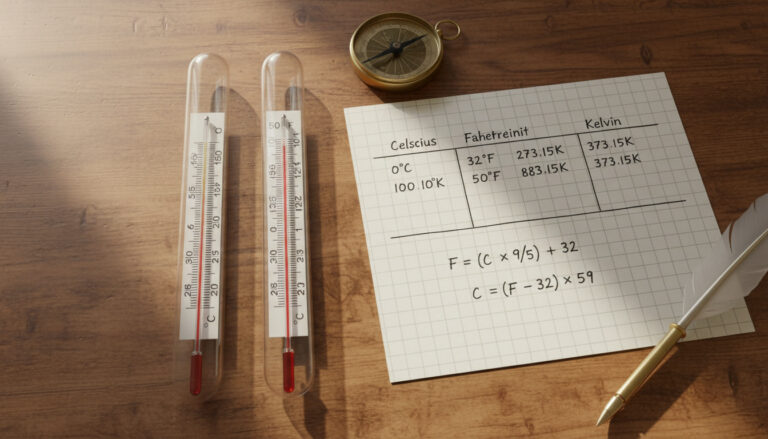 10 Celsius to Fahrenheit – Exact 50°F Formula & Table
 GT vs MI Standings: MI Win by 99 Runs
 Steven Tyler: Health, Relationships, and Family – Latest Facts
 How to Screenshot on MacBook: Shortcuts, Paste, Crop
 Body Mass Index Calculator: Adults & Seniors
 US Exchange Rate Today: USD to EUR, GBP & Forecasts 2026
 Rain Spencer: Biography, Career, and Personal Life
 Maison à Vendre Magog – Current Listings and Buyer Guide