How Did Catherine O’Hara Die? Pulmonary Embolism Cause
Catherine O’Hara’s fans around the world are grappling with the news that the beloved actress passed away on January 30, 2026, at age 71. After keeping a years-long battle with rectal cancer private, she died from a pulmonary embolism—a blood clot that traveled to her lungs. Her death certificate, released by the Los Angeles County Medical Examiner on February 9, 2026, has brought renewed attention to a condition that claims tens of thousands of lives annually.
Age at Death: 71 · Date of Death: January 30, 2026 · Immediate Cause: Pulmonary Embolism · Underlying Cause: Rectal Cancer
Quick snapshot
- Death on January 30, 2026, at age 71 (Oncodaily medical report)
- Pulmonary embolism as immediate cause (LA Times news report)
- Rectal cancer as underlying condition (Moffitt Cancer Center statement)
- Exact timing of rectal cancer diagnosis
- Treatment history or duration of illness
- Specific location of hospitalization
- CAA announced death January 30 (LA Times report)
- Death certificate published February 9 (Oncodaily coverage)
- Cause revealed weeks after passing (Moffitt Cancer Center article)
- Public discussion of PE risks (Medical expert commentary on YouTube)
- Awareness of cancer-related clotting (Medical expert commentary on YouTube)
- Privacy advocacy debates (Medical expert commentary on YouTube)
The following table summarizes the key biographical facts confirmed through official documentation and multiple corroborating sources.
| Fact | Details |
|---|---|
| Full Name | Catherine Anne O’Hara |
| Birth Date | March 4, 1954 |
| Birth Place | Toronto, Ontario, Canada |
| Death Date | January 30, 2026 |
| Age at Death | 71 |
| Cause of Death | Pulmonary embolism due to rectal cancer |
What did Catherine O’Hara die from?
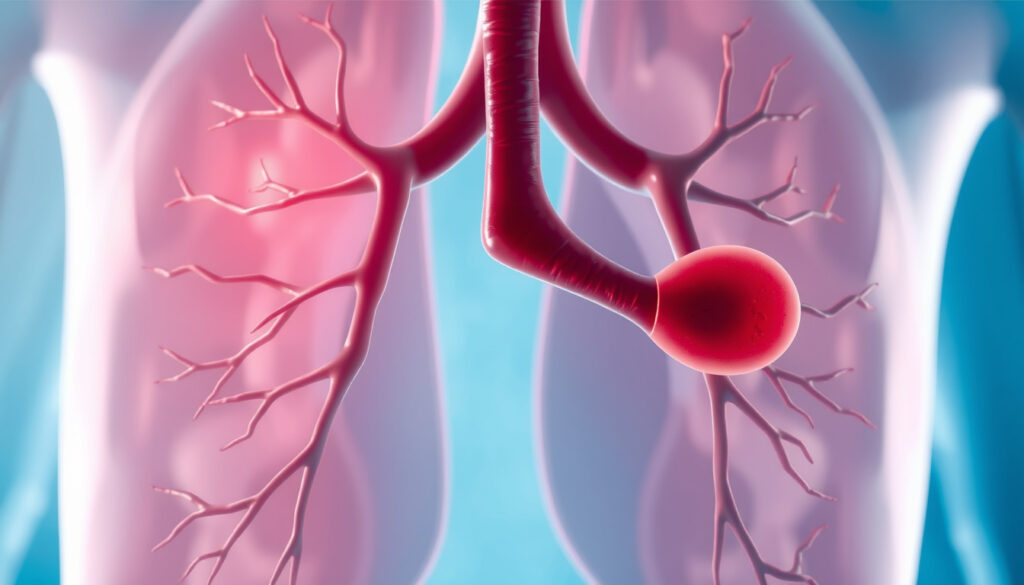
The Los Angeles County Medical Examiner’s Office listed pulmonary embolism as the immediate cause of death on Catherine O’Hara’s official death certificate (Moffitt Cancer Center confirmation). A pulmonary embolism occurs when a blood clot—typically originating in the deep veins of the legs—travels through the bloodstream and blocks one or more arteries in the lungs (Oncodaily medical explanation). The clot impairs gas exchange and can cause right ventricular failure, making it a medical emergency.
Pulmonary Embolism Details
A pulmonary embolism develops when a thrombus, usually formed in deep vein thrombosis (DVT) in the lower extremities, lodges in the pulmonary arteries (Oncodaily report). In O’Hara’s case, physicians have noted that her rectal cancer created a hypercoagulable state—meaning the blood’s ability to clot was abnormally elevated—making clot formation more likely (Medical experts via YouTube). Cancer patients face significantly higher risks of venous thromboembolism, and rectal cancer specifically carries notable clotting complications.
Role of Rectal Cancer
Rectal cancer forms in the inner lining of the rectum, the final portion of the large intestine connecting the colon to the anus (Moffitt Cancer Center definition). The disease was listed as the underlying condition on O’Hara’s death certificate, confirming what medical experts suspected: her cancer battle directly contributed to the fatal embolism (LA Times coverage). The connection lies in cancer-induced hypercoagulability, where tumors release substances that disrupt normal clotting mechanisms.
The cancer itself and some treatments can increase blood clot risk substantially for patients and families. Awareness and preventive measures may save lives when hypercoagulability is identified early.
What condition did Catherine O’Hara die of?
Catherine O’Hara died after what representatives described as a “brief illness”—language that masked the years-long battle she was waging privately (LA Times statement). Her talent agency, CAA, confirmed her death on January 30, 2026, noting she passed away after a short period of hospitalization.
Brief Illness Before Death
The publicly disclosed timeline was remarkably compressed: O’Hara reportedly became seriously ill shortly before her death, leading to hospitalization and ultimately the fatal pulmonary embolism (Oncodaily timeline). Yet this acute phase came after what sources describe as a private, undisclosed struggle with rectal cancer that had persisted for years.
Hospitalization Context
While the exact hospital location has not been publicly confirmed, reports indicate O’Hara was admitted shortly before her death and passed away within days (LA Times report). The speed of her decline aligns with how rapidly pulmonary embolism can become fatal when large clots are involved.
What is dextrocardia, Catherine O’Hara’s rare heart condition?
Early reports erroneously conflated two separate health matters: O’Hara’s documented private battle with rectal cancer, and unverified mentions of a rare heart condition called dextrocardia (Oncodaily clarification). It’s important to clarify that dextrocardia was not listed on her death certificate and played no documented role in her passing.
Definition and Situs Inversus
Dextrocardia is a rare congenital condition where the heart is located on the right side of the chest instead of the left. When accompanied by mirror-image positioning of other organs, the condition is called situs inversus totalis (Oncodaily medical definition). Individuals with dextrocardia can live normal, healthy lives and often remain unaware of the condition until discovered incidentally during medical imaging.
Connection to Her Health
Reports suggest O’Hara lived with dextrocardia throughout her life, though she never publicly discussed it. Medical experts note the condition is generally compatible with a normal lifespan and is not associated with increased cancer or embolism risk unless accompanied by additional cardiac abnormalities (Oncodaily expert commentary). The condition appears to have been incidental rather than contributory to her death.
For readers searching for dextrocardia information, separating medical facts from speculation is crucial. In O’Hara’s case, the rare heart condition was a separate, unrelated health matter—and citing it as a cause of death would be medically inaccurate.
What organ disease did Catherine O’Hara have?
Beyond the immediate cause of death, O’Hara’s death certificate confirmed rectal cancer as the underlying condition (LA Times documentation). Rectal cancer develops in the final segment of the large intestine, and while distinct from colon cancer, it shares similar risk factors and treatment approaches.
Rectal Cancer Diagnosis
The timing of O’Hara’s rectal cancer diagnosis has not been publicly disclosed. Her cancer battle was kept entirely private, with no verified public details on when the disease was discovered, what symptoms prompted investigation, or what treatment protocol she may have followed (Moffitt Cancer Center statement). This privacy is notable given how public her decades-long career had been.
Long-term Conditions
Rectal cancer can progress insidiously, sometimes despite intervention, and may advance silently before causing symptoms that prompt medical evaluation (Oncodaily medical perspective). Medical oncologists note that the disease’s tendency toward late detection makes early screening particularly valuable for at-risk individuals.
What was Catherine O’Hara’s age at death?
Catherine O’Hara was born March 4, 1954, in Toronto, Ontario, Canada, making her 71 years old at the time of her death on January 30, 2026 (Oncodaily biographical record). She was in the final chapter of a remarkable career that spanned more than four decades.
Birth and Death Dates
Her birth date of March 4, 1954, places her in the baby boomer generation, and she would have turned 72 just two months after her death (LA Times obituary). The proximity of her passing to this milestone birthday adds poignancy to the loss felt by her fans and colleagues.
Career Span
O’Hara’s career in film and television began in earnest in the late 1970s and continued through the 2020s, with recent acclaimed roles in productions including “The Last of Us” and “The Studio” (LA Times career coverage). Her most iconic performances include her role as Moira Rose in the hit series “Schitt’s Creek,” which earned her multiple Emmy Awards, as well as memorable appearances in “Home Alone,” “Best in Show,” and “Beetlejuice.”
Timeline of Events
Five key moments trace the arc from O’Hara’s private illness to public revelation.
| Date | Event |
|---|---|
| March 4, 1954 | Born in Toronto, Ontario, Canada |
| 1980s–2020s | Career in film and TV including “Home Alone” and “Schitt’s Creek” (LA Times career summary) |
| Pre-2026 | Diagnosed with rectal cancer (exact date not disclosed) (Moffitt Cancer Center report) |
| January 2026 | Brief illness and hospitalization before death (Oncodaily timeline) |
| January 30, 2026 | Death from pulmonary embolism at age 71 (LA Times confirmation) |
The pattern reveals a stark contrast: decades of public visibility followed by a fiercely protected private illness. When the end came, it came quickly—just days of acute hospitalization before the fatal embolism.
Confirmed Facts and Unverified Claims
What’s confirmed
- Pulmonary embolism as immediate cause
- Rectal cancer as underlying condition
- Death date January 30, 2026, age 71
- Death certificate released February 9, 2026
- Privacy maintained throughout illness
What’s unverified
- Exact diagnosis date for rectal cancer
- Treatment history or duration
- Specific hospital or location of death
- Autopsy details beyond certificate
What Experts Are Saying
The immediate cause was pulmonary embolism; rectal cancer was the underlying condition per her February 9, 2026, death certificate.
— Oncodaily medical news outlet
The beloved comedian died of a pulmonary embolism, a blood clot in the lungs, according to her death certificate released by the Los Angeles County Medical Examiner.
— LA Times major news publication
Doctors saying this week that it likely came from her battle with rectal cancer, which created a hypercoagulable state making blood clot formation more likely.
— Medical experts via YouTube
The implication: O’Hara’s death has become a case study for oncologists advising patients on the critical need for thrombotic risk assessment during cancer treatment.
Physicians are using O’Hara’s case to advocate for increased clot surveillance in oncology care, particularly for gastrointestinal cancers where hypercoagulability is common. Patients should discuss VTE prevention strategies with their oncologists.
Frequently Asked Questions
Did Catherine O’Hara have cancer?
Yes. Catherine O’Hara had rectal cancer, confirmed as the underlying condition on her official death certificate released February 9, 2026. She kept her diagnosis and treatment entirely private throughout her battle.
What caused Catherine O’Hara’s pulmonary embolism?
Her pulmonary embolism was caused by her underlying rectal cancer, which created a hypercoagulable state—abnormal blood clotting tendency—that increased her risk of developing dangerous blood clots that can travel to the lungs.
How old was Catherine O’Hara when she died?
Catherine O’Hara was 71 years old when she died on January 30, 2026. She was born March 4, 1954, in Toronto, Ontario, Canada.
Was dextrocardia related to Catherine O’Hara’s death?
No. Dextrocardia—a rare congenital condition where the heart is positioned on the right side—was not listed on her death certificate and played no documented role in her passing. It was a separate, incidental health condition unrelated to the pulmonary embolism caused by rectal cancer.
Where did Catherine O’Hara die?
Catherine O’Hara passed away in the Los Angeles area. While the exact hospital has not been publicly confirmed, her death certificate was issued by the Los Angeles County Medical Examiner, confirming she died in that jurisdiction.
What were Catherine O’Hara’s last words?
There are no verified reports of Catherine O’Hara’s last words or final statements. Her representatives described her death as following a “brief illness” and maintained privacy around the circumstances of her final days.
When was Catherine O’Hara’s funeral?
Specific details about Catherine O’Hara’s funeral or memorial service have not been publicly disclosed as of this writing. Given her family’s commitment to privacy throughout her illness, any memorial plans would likely be announced through official channels at the family’s discretion.
How common is pulmonary embolism as a complication of rectal cancer?
Cancer patients face significantly elevated risks of venous thromboembolism, including pulmonary embolism. Gastrointestinal cancers like rectal cancer are particularly associated with hypercoagulability, making clot surveillance an important aspect of oncology care.
For cancer patients and their healthcare teams, O’Hara’s case serves as a stark reminder of how underlying malignancies can manifest in life-threatening ways that seem sudden. The connection between cancer and blood clotting abnormalities demands vigilance—and for at-risk individuals, preventive measures may genuinely save lives.
More related posts
 CM to Ft and Inches Converter: Height Chart & Guide
 Maison a Vendre St-Bruno: Complete Guide for Home Buyers
 What Is a Lunge Exercise – Muscles Worked, Proper Form and Benefits
 Alimentation Couche-Tard – History Brands Growth Facts
 King Charles Visit to Canada 2025: Dates, Cost, and Highlights
 Mae Martin: Gender, Diagnosis, Partner, and TV Shows
 Shawn Jackson Funeral Home: Obituaries, Services, Location
 Masked Singer Season 13: Reveals, Winner & Contestants