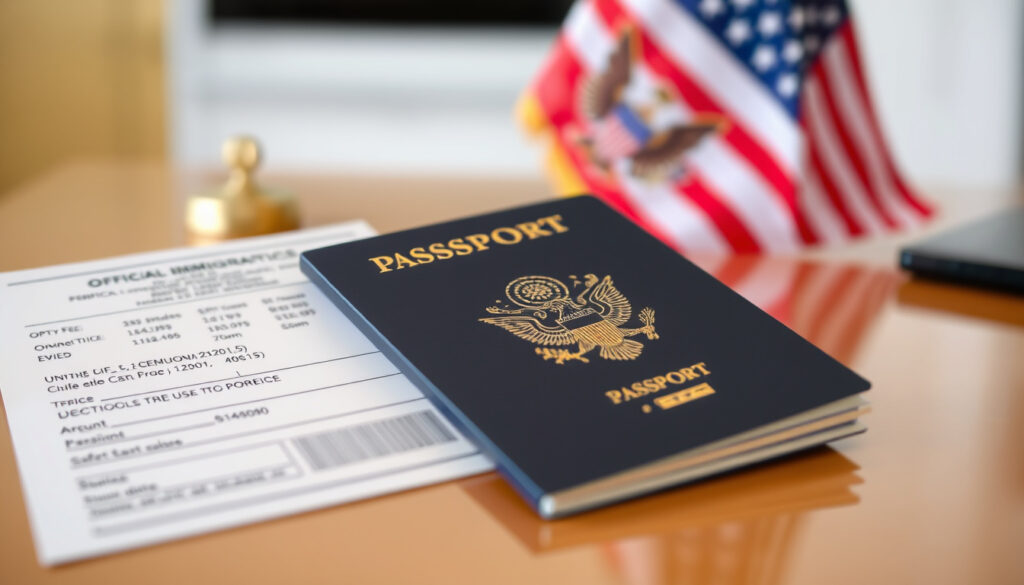
Us Visa Integrity Fee – Amount, Affected Visas, Start Date
The United States has introduced a significant new fee for individuals seeking nonimmigrant visas. The $250 Visa Integrity Fee applies to most applicants applying for visa stamps at U.S. embassies and consulates worldwide, representing one of the most notable changes to visa-related costs in recent years.
The fee was established through the “One Big Beautiful Bill Act” (H.R.1, Public Law 119-21), signed into law on July 4, 2025. While the statutory authority took effect on October 1, 2024, actual collection of the fee is expected to begin on October 1, 2025, or shortly thereafter once implementing procedures are released.
This development affects thousands of international students, exchange visitors, temporary workers, and business travelers each year. Understanding which visas are subject to this fee, how it works alongside existing charges, and what refund provisions exist is essential for anyone planning to apply for a U.S. visa in the coming months.
What is the US Visa Integrity Fee?
The Visa Integrity Fee is a fixed $250 charge added to the cost of obtaining a nonimmigrant visa stamp. According to sources, the fee is designed to fund visa fraud prevention programs and enhance border security measures. It applies specifically when a visa is issued, meaning applicants whose applications are denied do not pay this charge.
The fee represents an additional cost on top of existing visa processing fees, including the Machine Readable Visa (MRV) fee, reciprocity fees, and SEVIS charges. Starting in Fiscal Year 2026, the fee will include automatic annual inflation adjustments. No waivers are available for the Visa Integrity Fee, according to available guidance.
The Visa Integrity Fee is charged only upon visa issuance. If your application is denied, you will not be required to pay this $250 charge. However, you will still forfeit the MRV fee paid during the application process.
Overview of the Fee Structure
| Aspect | Details |
|---|---|
| Fee Amount | $250 (fixed rate) |
| Inflation Adjustments | Automatic starting FY2026 |
| Waivers Available | None |
| Charge Trigger | Visa issuance only |
| Charged If Denied | No |
Key Insights
- The fee applies to nearly all nonimmigrant visa categories upon new visa stamp issuance
- It is charged in addition to existing MRV fees, reciprocity fees, and SEVIS charges
- Both principal applicants and dependents are subject to the fee
- The fee is designed to incentivize compliance with visa terms and fund security programs
- Travelers using the Visa Waiver Program and ESTA are excluded from this fee
- Refund procedures remain under development as of late 2025
Which Visas Require the Visa Integrity Fee?
The Visa Integrity Fee applies to the vast majority of nonimmigrant visa categories. When applying at a U.S. embassy or consulate for a new visa stamp, applicants should anticipate this additional cost regardless of their immigration category.
Student and Exchange Visitor Visas
F-1 and F-2 visas for academic students and their dependents are subject to the fee. Similarly, J-1 and J-2 visas for exchange visitors, including researchers, professors, and au pairs, fall under this requirement. M-1 visas for vocational students are also covered under the broad nonimmigrant category scope.
Work-Related Visas
Temporary worker visas including H-1B and H-4 dependent visas are subject to the $250 charge. Additionally, O visas for individuals with extraordinary ability and TN visas under the USMCA agreement for Canadian and Mexican professionals are affected.
Tourist and Business Visas
B-1 and B-2 visas for business travelers and tourists respectively require the Visa Integrity Fee upon issuance. The charge applies whether the visa is granted for a single entry or multiple entries.
Travelers who enter under the Visa Waiver Program (VWP) through ESTA are not required to pay the Visa Integrity Fee. However, if a VWP traveler later applies for a traditional visa, the fee would apply.
How Much is the Visa Integrity Fee and When Does It Start?
The Visa Integrity Fee is set at a fixed rate of $250 for all applicable visa categories. This amount is not means-tested and applies uniformly to all applicants subject to the fee. Beginning in Fiscal Year 2026, the fee will be adjusted annually for inflation, meaning the actual amount may increase over time.
Implementation Timeline
While the statutory effective date is October 1, 2024, the actual collection of the fee began on October 1, 2025, or shortly thereafter following the release of implementing instructions. The delay between statutory authority and actual implementation reflects the time needed to establish processing procedures at embassies and consulates worldwide.
A Federal Register Notice published on July 22, 2025, provided additional guidance tied to the October 1, 2024 effective date. The fee stems from the FY25 Homeland Security appropriations bill, which passed through the Senate Appropriations Committee in July 2025.
Interaction with Other Fees
Applicants should budget for the Visa Integrity Fee alongside existing visa costs. The MRV fee, which varies by category (for example, $185 for many nonimmigrant visa types), remains a separate charge. Additional fees may include reciprocity fees based on the applicant’s nationality and SEVIS fees for student and exchange visitor categories.
The Visa Integrity Fee is one component of broader fee changes taking effect around the same time. The I-94 fee has risen to $24 (non-refundable with inflation adjustments), and the ESTA fee has increased to $40.
When planning for visa costs, applicants should account for the Visa Integrity Fee as a separate line item. The total cost of obtaining a visa now includes the MRV fee, reciprocity fees, SEVIS charges (for students and exchange visitors), and the new $250 Integrity Fee.
Is the Visa Integrity Fee Refundable?
The Visa Integrity Fee is designed to be refundable under certain conditions, according to available sources. The refund mechanism is intended to incentivize compliance with visa terms, including avoiding unauthorized employment and maintaining lawful status throughout the period of stay.
Qualifying for a Refund
Applicants may be eligible for a refund if they comply fully with visa conditions. This generally means no unauthorized work, timely departure from the United States upon expiration of authorized stay, or successful adjustment of status through approved legal channels such as extension of stay or change of status.
Current Uncertainty
Procedures for obtaining refunds have not yet been fully released as of late 2025. Sources indicate that reimbursement processes remain unclear, and applicants should not assume automatic refunds will be straightforward. Some guidance suggests treating the fee as non-refundable until official refund procedures are established.
There is potential risk of forfeiture if compliance issues arise during the visa period. Applicants are advised to maintain thorough documentation of their activities and departures to support any future refund claims.
Until refund procedures are formally established, applicants should budget for the Visa Integrity Fee as a potentially non-refundable cost. Keeping records of lawful status maintenance and timely departures will be important if refund claims become possible.
Timeline of Key Developments
Understanding the chronology of the Visa Integrity Fee helps contextualize its current status and what applicants can expect going forward.
- October 1, 2024 — Statutory effective date for the Visa Integrity Fee under the FY25 Homeland Security appropriations framework
- July 4, 2025 — The “One Big Beautiful Bill Act” (H.R.1, Public Law 119-21) formally signed into law
- July 22, 2025 — Federal Register Notice published providing additional guidance on implementation
- July 25, 2025 — Senate Appropriations Committee passes the FY25 Homeland Security appropriations bill
- October 1, 2025 — Actual collection of the Visa Integrity Fee begins (or implementation instructions released for later collection)
As of late 2025, implementation remains ongoing, with some embassies and consulates beginning to collect the fee while others await processing updates.
What Is Known and What Remains Unclear
While substantial information about the Visa Integrity Fee has emerged, certain aspects continue to evolve as implementation progresses.
| Established Information | Information That Remains Unclear |
|---|---|
| Fee amount: $250 fixed | Exact collection start dates at specific consulates |
| Affected categories: most nonimmigrant visas | Specific refund procedures and timelines |
| Statutory effective date: October 1, 2024 | Documentation requirements for refunds |
| Collection start: October 1, 2025 | How inflation adjustments will be calculated |
| No waivers available | Grace period policies for recent applicants |
| Charged only upon visa issuance | Processing timeline for refund claims |
Context and Purpose of the Fee
The Visa Integrity Fee represents a policy response to ongoing concerns about visa fraud and compliance issues within the immigration system. By attaching a financial consequence to the visa issuance process, policymakers aim to encourage applicants to adhere strictly to their authorized terms of stay.
Revenue generated from the fee is directed toward enhancing border security programs and improving the integrity of the visa system. The refundable nature of the charge creates an incentive structure that rewards lawful behavior while providing a funding mechanism for enforcement activities.
This approach mirrors broader trends in immigration policy that seek to align financial costs with program administration while creating behavioral incentives for compliance. The fee’s placement alongside existing charges reflects the increasing complexity of visa-related costs for international travelers.
Sources and Official Information
Given the evolving nature of this fee, applicants should consult official government sources for the most current information. While the Department of State’s main fee pages do not yet list the Visa Integrity Fee, updates are expected as implementation progresses.
The Visa Integrity Fee applies to nearly all nonimmigrant categories upon new visa stamp issuance at U.S. embassies and consulates, including F-1, J-1, H-1B, B-1, B-2, and numerous other visa types.
— CFUIS Analysis of the Visa Integrity Fee Policy
The fee is refundable for full compliance, incentivizing adherence to visa terms and funding border security initiatives.
— KPMG Global Mobility Services Advisory
Summary
The $250 Visa Integrity Fee represents a significant new cost for nonimmigrant visa applicants to the United States. Applicable to most visa categories including F-1, J-1, M-1, H-1B, B-1, and B-2 visas, the fee is collected upon visa issuance and is charged in addition to existing MRV and other fees.
While the statutory framework took effect in October 2024, actual collection began in October 2025. The fee includes automatic inflation adjustments starting in FY2026, and no waivers are available. Applicants should monitor official resources for updates on implementation and refund procedures.
For those planning visa applications in the coming months, budgeting an additional $250 and maintaining thorough documentation of lawful status will be essential. Understanding how this fee interacts with existing visa costs helps applicants prepare financially for the process.
Those interested in related topics may find our guide to area codes and regional telecommunications useful, or can explore our review of financial products for international travelers.
Frequently Asked Questions
Where can I find official information on the Visa Integrity Fee?
The Department of State’s visa fee pages currently list standard MRV fees. As implementation progresses, updates are expected on travel.state.gov. The Federal Register provides official documentation of the policy at federalregister.gov.
Does the Visa Integrity Fee apply to visa renewals?
Yes, the fee applies to new visa stamp issuances, which includes renewals. Any applicant receiving a visa stamp at a U.S. embassy or consulate is subject to the fee, regardless of whether it is a first-time application or renewal.
How do I pay the Visa Integrity Fee?
Specific payment procedures are being developed as part of the implementation process. Applicants should monitor embassy and consulate websites for guidance on how the fee will be collected alongside existing visa fees.
What happens if my visa application is denied?
The Visa Integrity Fee is charged only upon visa issuance. If your application is denied, you will not pay this fee. However, you will forfeit the MRV fee and any other fees paid during the application process.
Are there any exemptions from the Visa Integrity Fee?
Travelers using the Visa Waiver Program (ESTA) are exempt. However, no other waivers or exemptions are available for applicants requiring nonimmigrant visa stamps at embassies or consulates.
When does the US Visa Integrity Fee take effect?
The statutory effective date was October 1, 2024. Actual fee collection began on October 1, 2025, or shortly thereafter following the release of implementing instructions by the State Department.
What is the purpose of the Visa Integrity Fee?
The fee is designed to fund visa fraud prevention programs and border security initiatives. It also creates a financial incentive for applicants to comply with visa terms, as the fee is refundable for those who maintain lawful status.
More related posts
 249 Area Code Canada – Guide to Location, Dialing and History
 Air Transat Vacation Packages: Inclusions, Tips & Reviews
 Symptoms of High Cortisol Levels in Females – Key Signs and Causes
 Travel Warnings to USA: Countries Advising Caution & Safety Tips
 Emma Frost Marvel Rivals – Abilities Breakdown and Tips
 Jewelry Store Near Me: Best Irish Shops in Dublin & Beyond
 Sadio Mane: Wife, Religion, Liverpool Exit & Net Worth
 Houses for Sale Niagara Falls – Current Market Overview